
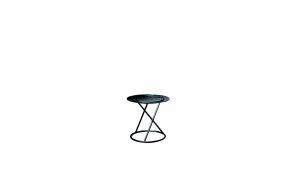

RAL 9005 Matt black
RAL 9005
Matt black
+39 055 8070115
Via L. Da Vinci, 118/14
Barberino Tavarnelle
50028 – Firenze
If you want to ask for information about a product or if you want to know general information send us a message, we will reply as soon as possible.
Fill out the form here, you will receive the updated Mvsevm catalog by email.
Esistono ancora alcuni dubbi riguardo alla cronologia della serie di tavoli con piedistallo, mentre è certo che le sedie furono sviluppate prima dei tavoli. Secondo alcune fonti, Saarinen iniziò a lavorare al progetto delle sedie intorno al 1953; Don Petit, suo assistente, riferì invece che i primi disegni risalivano al 1955 e che le versioni definitive furono completate nel 1956.
Il lavoro sui tavoli ebbe inizio dopo il 1956 e rappresentò l’ultima serie di mobili progettata da Saarinen prima della sua prematura scomparsa, avvenuta nel 1961.
Con il gruppo di mobili con piedistallo, Saarinen cercò di risolvere quello che definiva il problema della «baraccopoli di gambe» (slum of legs), eliminando la confusione visiva creata dalle numerose gambe e strutture presenti sotto tavoli e sedie. Fin dai suoi primi lavori in collaborazione con Charles Eames, Saarinen aveva infatti continuato a esplorare il concetto di «mobile organico»: un oggetto concepito come un’unica forma, idealmente realizzata attraverso un unico materiale.
Dal punto di vista visivo, la collezione con piedistallo raggiunge questa unità organica attraverso la continuità delle forme e la riduzione degli elementi strutturali. I limiti tecnologici dell’epoca, tuttavia, impedirono a Saarinen di realizzare l’intera struttura attraverso un unico stampo e in un solo materiale.
La base fu quindi realizzata in fusione di alluminio, poiché le materie plastiche allora disponibili non offrivano una resistenza sufficiente per sostenere il piano del tavolo o il peso di una persona seduta. Da questo punto di vista, Saarinen considerava il progetto ancora incompiuto: il suo obiettivo era arrivare, in futuro, a un materiale plastico sufficientemente resistente da consentire la realizzazione di una forma realmente unitaria, senza compromettere la purezza e la bellezza dell’oggetto.
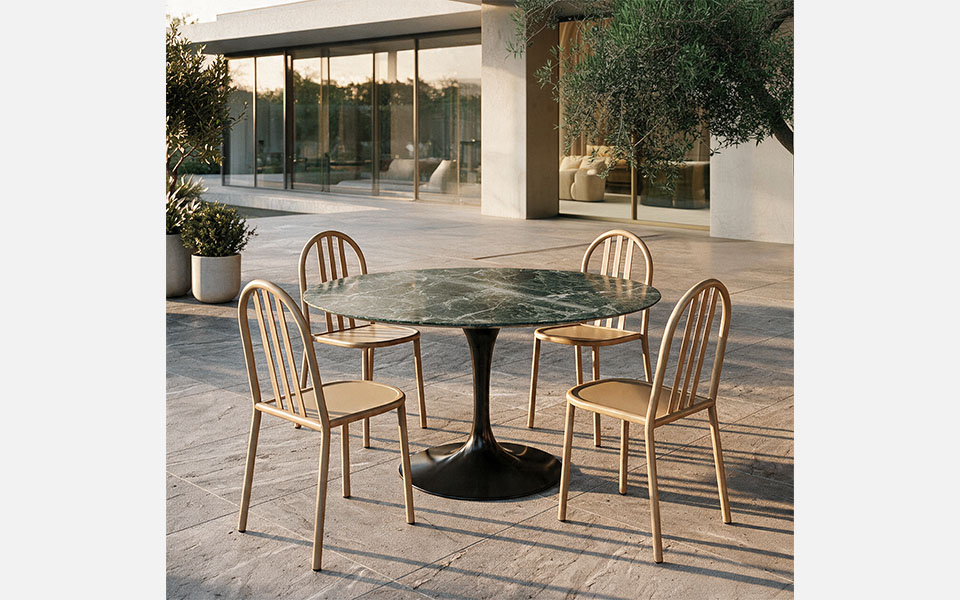
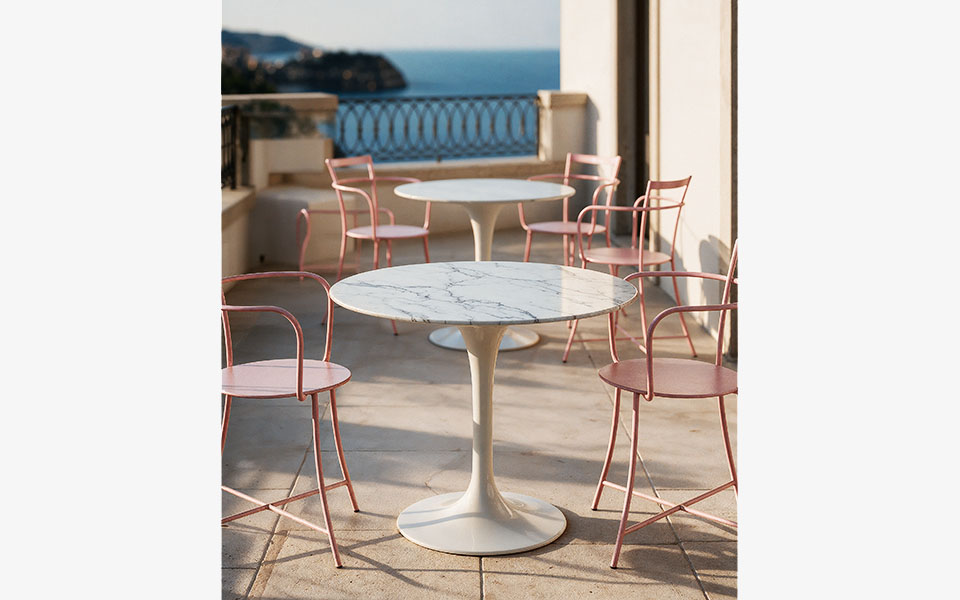
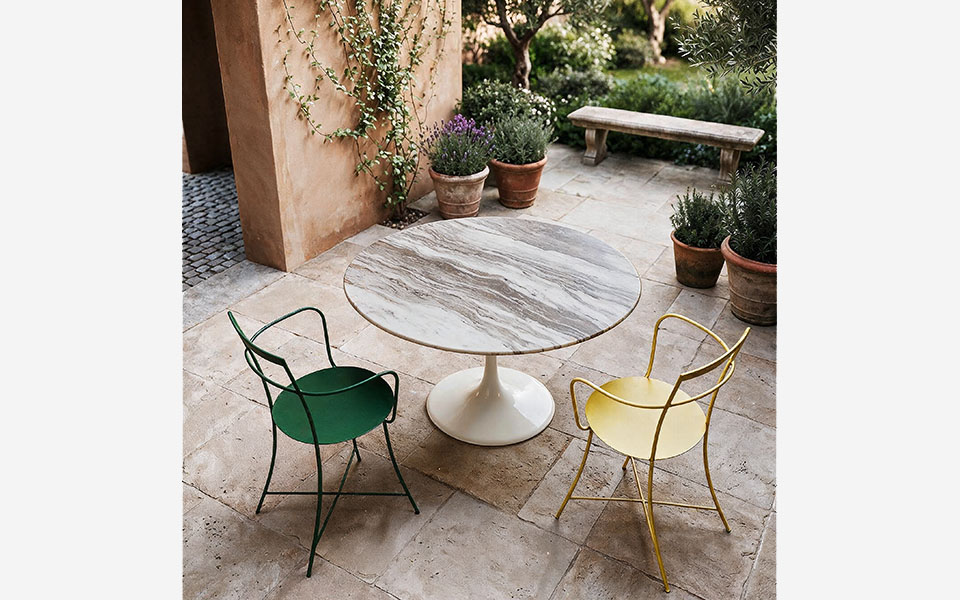
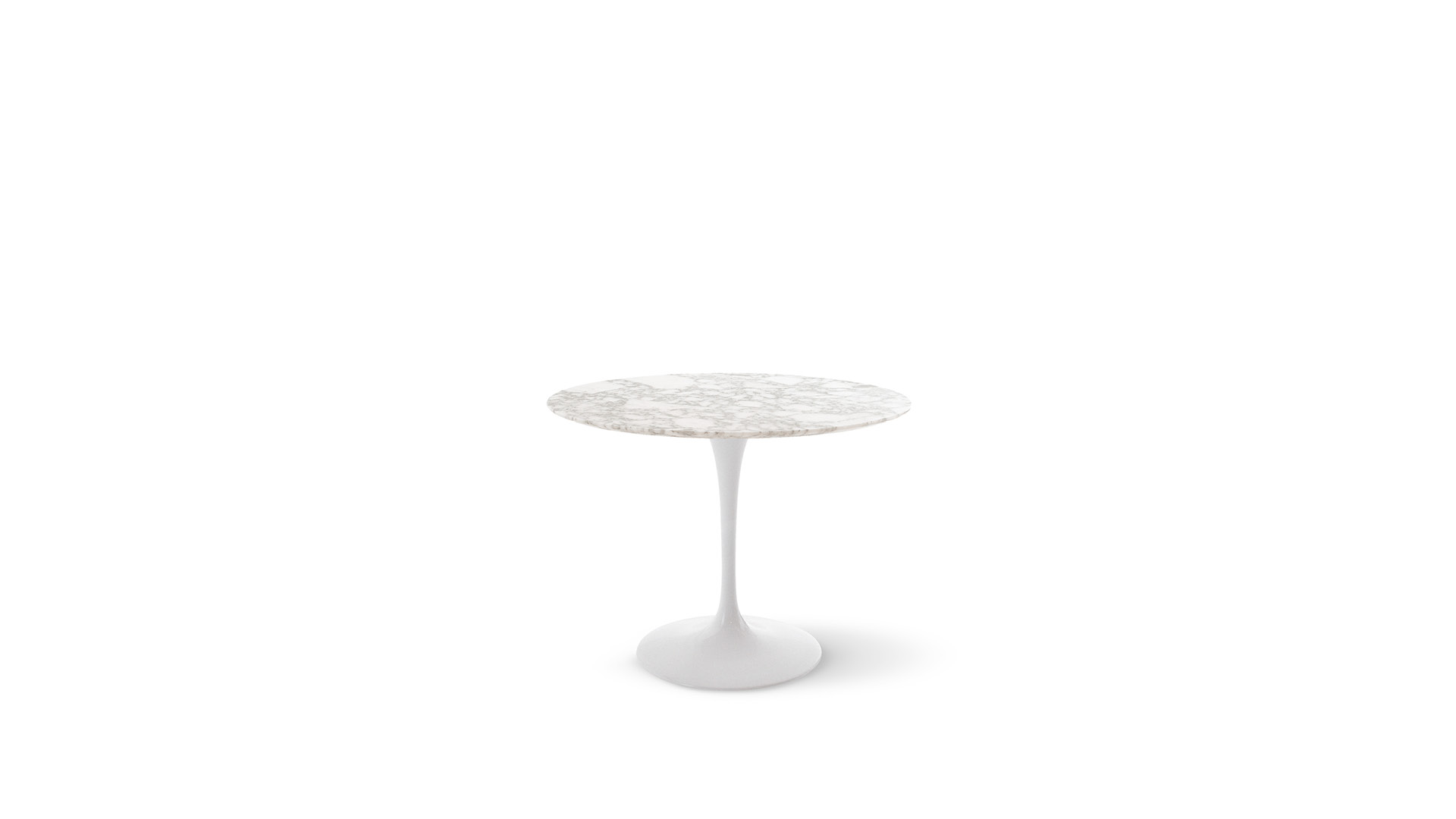
Table with pedestal base in cast aluminium, available in matt or glossy lacquered finish. Round top in matt marble or 5 mm-thick Laminam ceramic, bonded to 10 mm-thick extra-clear transparent glass.
| COD: 769/A | ||
|---|---|---|
| Ø | H. | |
| 107 | 74 | CM |
| Ø | H. | |
| 42,2″ | 29,1″ | IN |
| COD: 769/2 | ||
|---|---|---|
| Ø | H. | |
| 120 | 74 | CM |
| Ø | H. | |
| 47,2″ | 29,1″ | IN |
RAL 9005
Matt black
RAL 9016
Matt white
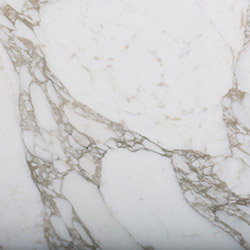
White “Calacatta”marble
Origin : Tuscany, Italy
Very precious, Calacatta is a white marble characterized by large veins of warm gray shades of light color, coming from Tuscany.
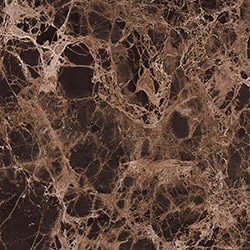
Brown “Emperador” marble
Origin : Spain
A brown-colored spotted marble with various shades of brown and white veins. It is quarried in Spain and can be light or dark.
Marmo “Fior di Pesco” grigio
Origin : Friuli Venezia Giulia, Italy
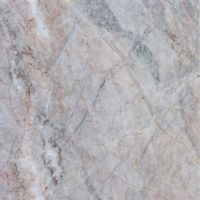
Fior di Pesco is an Italian marble with light tones ranging from white to gray to light green with ivory, gray and rosé veins. Very much appreciated by architects and interior designers, this material is suitable for a variety of interior.
Grey “Imperiale” marble / Stone grey
Origin : Iran
Quarried in Iran, Grey Stone marble is a compact, fine-grained calcareous stone. It has a fair degree of hardness, with a uniform base color that ranges from anthracite-grey to dove-grey. The surface vein pattern comprises distinct, fine white veins that vary depending on the originating quarry. These surface features should not be considered flaws, but rather exquisite differences that highlight the uniqueness of the material. The marble is finished with a polyester polish coat to enhance its exceptional beauty.
“Green Issorie” marble
Origin : Valle d’Aosta, Italy
Verde Issorie is a prized Italian marble quarried in the Valle d’Aosta area; it is distinguished by variegated shades of green and black, punctuated by tiny white dots.
“Red Levanto” marble
Origin : Liguria, Italy
Rosso Levanto is a variety of red marble, extracted in the open quarries of Levanto and the coast of La Spezia (Italy). The red color is due mainly to the presence of hematite. Its particular color and its characteristics of durability make it a particularly fine marble.
White “Michelangelo” marble
Origin : Tuscany, Italy
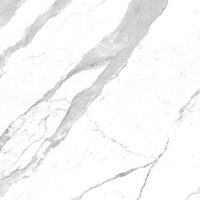
Statuary White is a crystalline white calcareous marble with grey veins; of Tuscan origin.
Noir Ceramic
Gold Ceramic
Statuario Ceramic
50.20.10 Brown
180.40.10 Green
1035 Pearl Beige
3007 amaranth
4820 Rusty pear
RAL 9005
Matt black
RAL 9016
Matt white
Peltro SA
Hand scratched antiqued bronze lacquering
Download